


Explore more collections

Zakat / Tax

What you give
can change a life.

Enough to meet a pressing need. A chance to move forward. Zakat connects the wealth we hold with our responsibility to one another. A clear calculation is the first step.
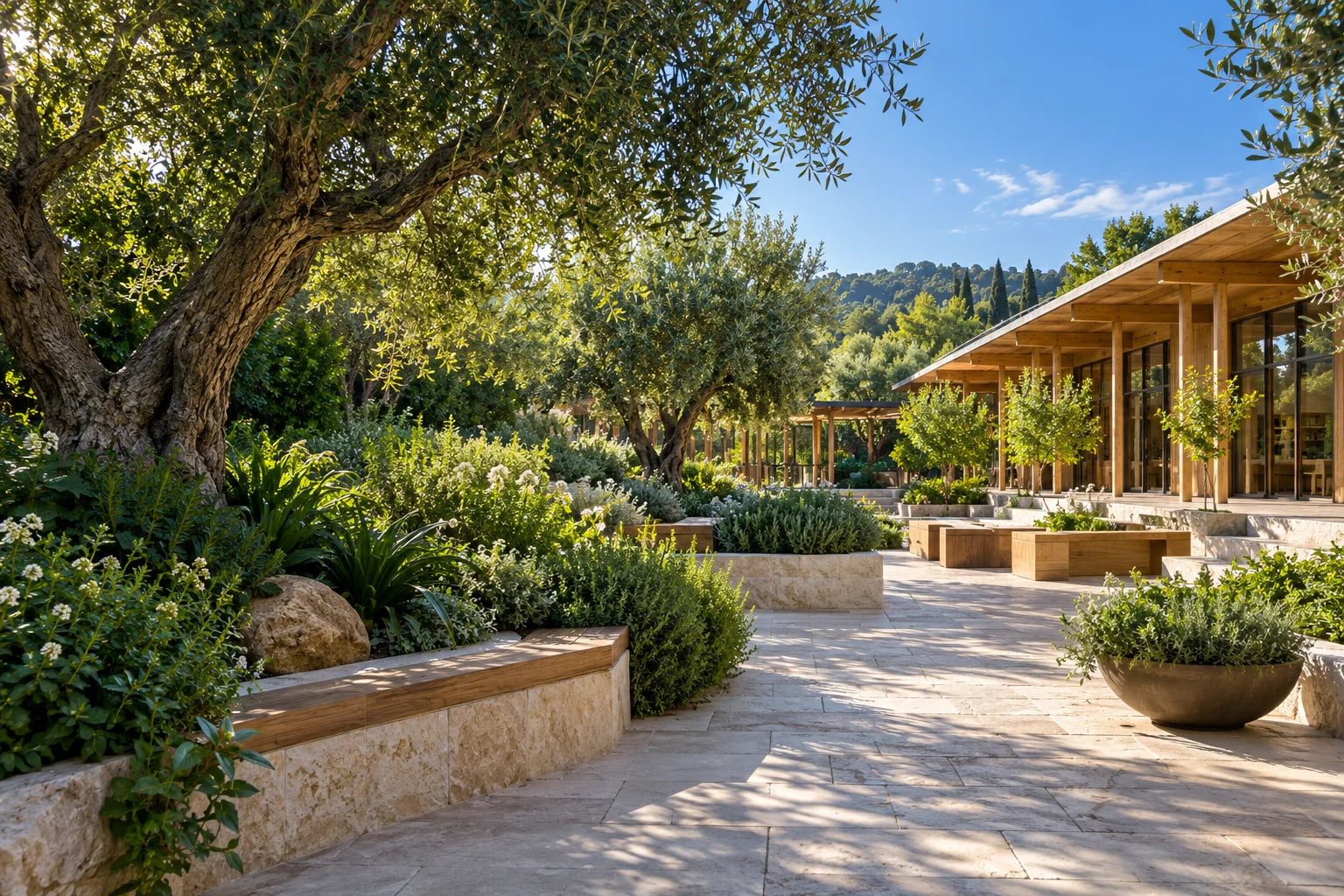
A sunlit community courtyard with green trees and space to learnShared responsibility. Stronger communities.
A wealth tax with a purposeTwo totals to enterA clear payment-day estimate

A wealth tax with a social purpose.

Zakat is a wealth tax: an obligation linked to relevant wealth you hold, rather than a charge on your income. Its fairness principle is capacity to give, with essential personal possessions excluded and a minimum wealth threshold protecting those with less.

It supports people who do not have enough and can help eligible people gain the means to earn a living. God’s guidance also recognises the administration of collection and distribution, reconciliation and work in His cause.

Where can Zakat be spent?

Quran 9:60 names eight categories: people in poverty; people in need; those administering Zakat; those whose hearts are to be reconciled; freeing people from bondage; people burdened by debt; God’s cause; and stranded travellers.

Teaching God’s greatness and guidance is part of our wider social purpose. Whether a particular education or community project qualifies for Zakat depends on how the prescribed categories are applied; it is not a general fund for every public expense.

Read Quran 9:60 →

03 · Zakat / Tax

A little clarity.
A meaningful difference.

Zakat is a wealth tax: a share of what you hold, helping others move forward.

Gold threshold · checked 24 October 2026£7,563We use gold: around £700 in savings alone would not usually make someone wealthy in the UK today.
NZF rate · checked 24 October 2026 ↗

Relevant assets − eligible costs and debts = net wealth.

What counts? Rates and calculation notes

Assets: exclude interest, your own home, everyday car, personal belongings and business equipment, unless held for resale. For investments, crypto and pensions, use the assessed eligible portion. Count each amount once. Personal gold jewellery treatment differs by school. Gold guidance ↗

Deductions: count each cost once and exclude interest. This estimate allows one month’s essential living costs and bills. Approaches differ: NZF excludes future living expenses and may allow up to 12 lunar months of eligible debt repayments. NZF’s deduction guidance ↗

Threshold: we use the value of 87.48g of gold. Other approaches use silver. The rate was checked on 24 October 2026 and does not update automatically.

Timing: this payment-day estimate assumes any required full lunar year is complete. Below the threshold, no Zakat is payable on this calculation. Under the continuous-year approach used here, a new qualifying year starts when wealth reaches the threshold again; payment is due after one whole lunar year of qualifying wealth. Schools differ on temporary dips. Timing guidance · Changing wealth.

Rounded up to the next penny. Complex businesses, livestock, crops and missed payments need separate assessment. This is Islamic Impressions’ calculator; NZF provides the linked reference rate, not an endorsement.

The calculation happens in your browser.
The purpose of Zakat and who it supports →